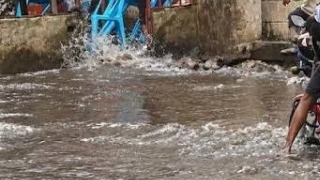
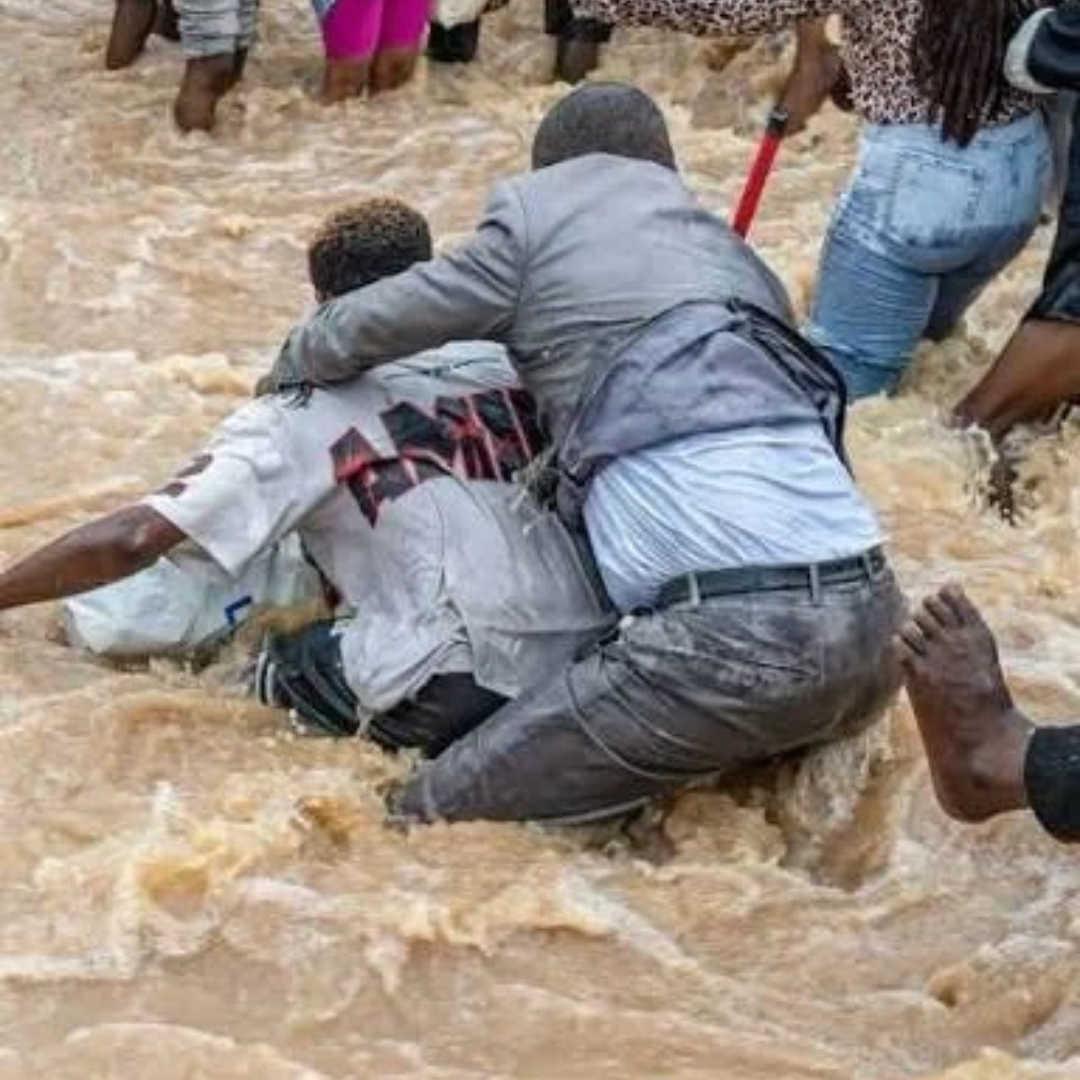
 Torrential rainfall has left large parts of Kinshasa submerged, disrupting transport, damaging homes and forcing residents to navigate flooded streets as the Democratic Republic of Congo's capital faces another bout of severe flooding.
The latest News report from Viory, presented in a 2-minute, 13-second video, documents the downpour's impact through on-the-ground footage and interviews with affected residents. The report captures vehicles moving through floodwater, pedestrians wading along submerged roads, and residents describing repeated losses to their homes and personal belongings.
Affected areas include Gombe, where major routes including Boulevard du 30 Juin were flooded, and Bandalungwa, where the Makelele River overflowed into neighbouring residential areas. Ngiri-Ngiri also experienced flooding, while authorities in Mont-Ngafula reported that erosion had destroyed more than 10 homes, leaving several families without shelter.
Residents interviewed appeal for government intervention, describing how recurring floods have damaged household possessions, including televisions and other essential belongings.

For broadcasters, news publishers and digital platforms, the report offers content buyers a timely account of an unfolding urban and environmental challenge in Central Africa. Its combination of location-based reporting, eyewitness testimony, and visual evidence makes it relevant to news bulletins, current affairs programming, and digital news packages covering climate-related disasters, urban infrastructure, and community resilience.
With Kinshasa repeatedly affected by flooding, particularly in low-lying neighbourhoods and areas close to waterways, the story also provides wider context for coverage examining the vulnerability of rapidly growing African cities to extreme weather events.