 For displaced Ibo communities in the Oicha North Kivu area, the weight of diplomatic engagement hinges on one question: when will it be safe enough to return home?
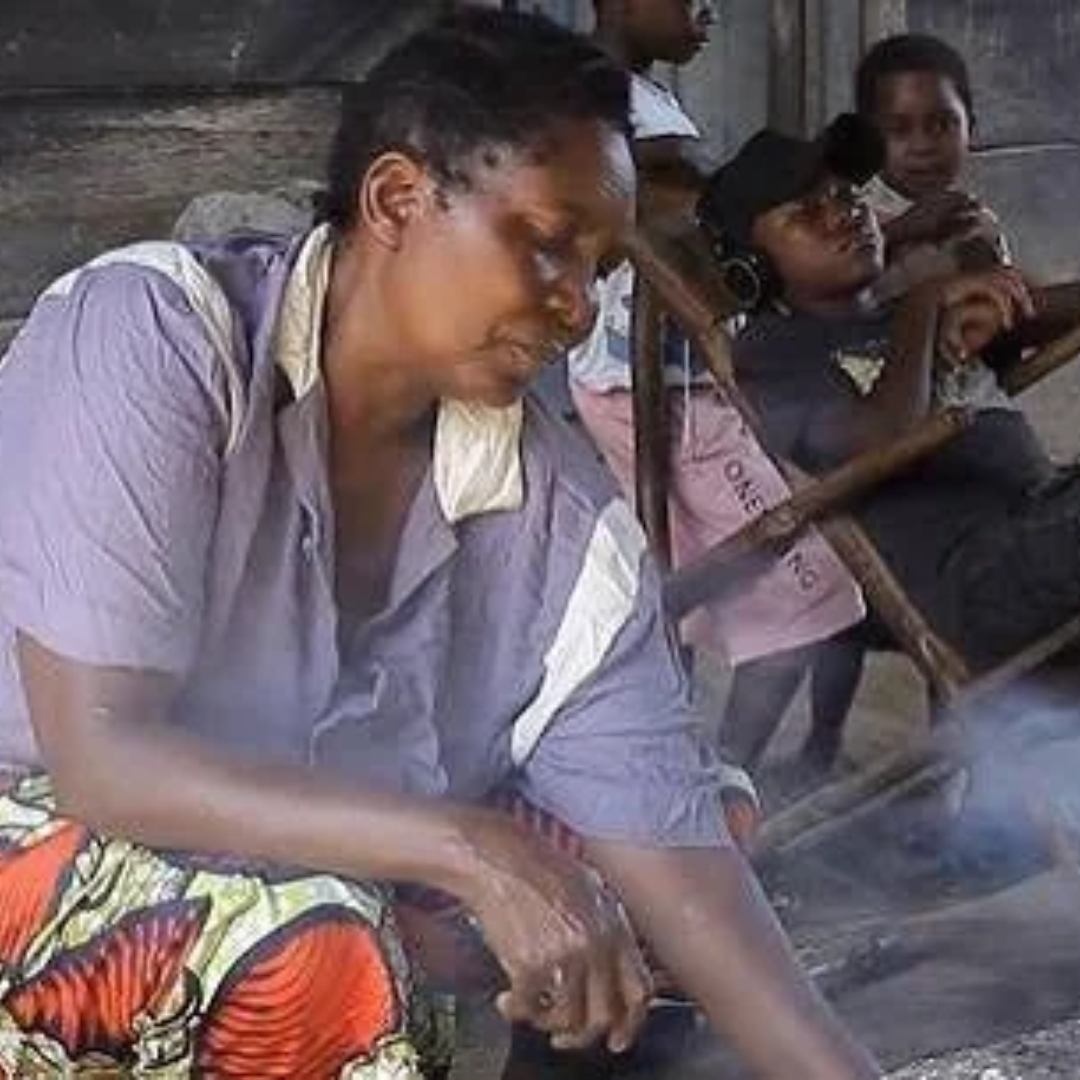
The Viroy video portrays life in displacement. Kids sit outside makeshift wooden structures, adults cook over an open fire, and people walk along narrow pathways between houses. These shots provide an insight into the lives of those whose future is yet to be determined due to insecurity in the eastern part of the DRC.
Some residents see President Félix Tshisekedi's participation in the Russia-Africa Summit in Moscow on 28 and 29 October as a possible opening for international action. They hope Russia could work with Congolese forces to help end the conflict, arguing that previous partnerships and agreements have not brought meaningful change.
Some are more sceptical about the prospects for success. They cite the persistence of foreign and regional troops, such as MONUSCO and Ugandan troops, and the failure of successive deployments to provide the security people need to return home.
These differences illustrate how much diplomacy is removed from the real world. Although the summit brought together delegates from 48 African nations and created a cooperation framework for 2027 to 2029, expectations remained high.
Tshisekedi's appeal was to turn commitments to security and economic development into reality. The measure of success for the people of Oicha will be one thing: peace and the ability to return home safely.